
Reading the Body’s Signals: AI’s Ultimate Healthcare Opportunity
We are on the cusp of an age of anticipatory medicine, an explosion in our ability to read the body's signals and catch the killers before they do their damage.
We are on the cusp of an age of anticipatory medicine, an explosion in our ability to read the body's signals and catch the killers before they do their damage.
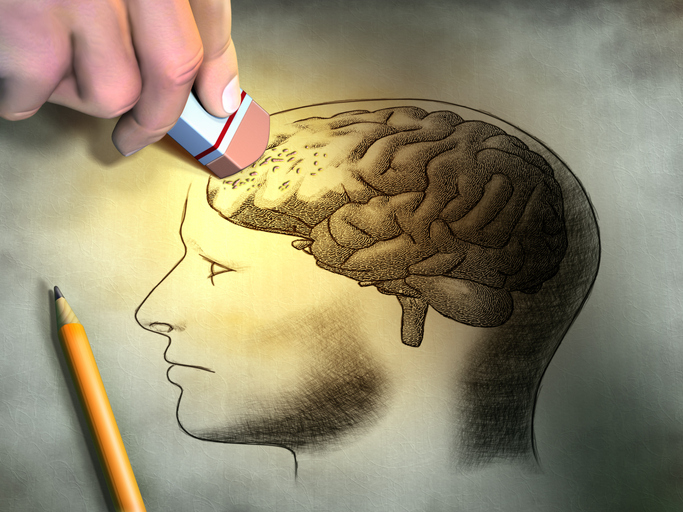
A few minutes of interaction with a digital tablet and speaking can reveal patterns that once required advanced imaging, years of observation, or were just completely undetectable.

Healthcare decision-makers, especially at pharmaceutical companies, must prioritize patient input. Data collected from social media listening is a significant step in the right direction.

Combined upper and lower GI endoscopy is becoming standard practice across many US healthcare settings, but the quality infrastructure for upper GI has not kept pace with the procedures now being performed on it.

Cardiology, in particular, offers a clear view into why so many AI solutions struggle to scale and what differentiates those that are poised for adoption.

While this kind of innovation and change can be challenging and is often a significant investment, it represents a powerful combination that can benefit individuals, healthcare professionals, and laboratories.

OhioHealth is scaling its use of Digital Diagnostics’ AI system that autonomously diagnoses diabetic retinopathy during primary care visits.


In an interview, Kyan Health Co-Founder and Chief Commercial Officer Konstantin Struck discussed how Kyan gives mid-market and enterprise employers access to premium workforce mental healthcare, at a price point that is affordable.